
Kindergarten math for ages 5 to 6
Ages 5–6 · US Kindergarten · England Year 1
At ages 5 to 6, children count to 100, read and write numbers to 20, understand teen numbers as ten and some ones, and add and subtract within 10 using objects and stories. Mathumo covers each of these with hands-on boards before any written equation.
What children learn, unit by unit
Counting to 20
- Counting on
- Counting objects in rows and scattered
- Counting out an amount
- Numerals 0 to 20
- Putting numbers in order
Adding and taking away
- Adding and subtracting within 10 with objects
- Story problems
- Counting on and back
Shapes all around
- Flat and solid shapes
- Comparing shapes
- Building and composing shapes
Compare and measure
- Comparing numbers 1 to 10
- Ordering three things by length
- Measuring with non-standard units
Tens, teens and 100
- Making 10
- Teen numbers as ten and ones
- Counting to 100 and 120
- Counting in 10s, 5s and 2s
- One more and one less within 100
Facts to 20
- Story problems within 20
- Related facts
- Fluent adding and subtracting within 10
- Making ten to add
- The equal sign
Groups and halves
- Halves and quarters of shapes
- Half and quarter of a set
- Equal groups
Clocks, coins and calendars
- Time to the hour and half hour
- Coins and notes
- Days and months
Standards it covers
- K.CC.A.1 Count to 100 by ones and by tens.
- K.OA.A.2 Solve addition and subtraction word problems within 10.
- K.OA.A.5 Fluently add and subtract within 5.
- K.NBT.A.1 Compose and decompose numbers from 11 to 19 into ten ones and some further ones.
Mathumo is built on US standards: Common Core (K–2) and Head Start (Preschool). No endorsement by those bodies is implied.
How Mathumo teaches it
Hands-on boards instead of multiple choice:
- Ten frames and number tracks
- Number lines
- Story scenes
- Shape building
- A measuring lab
Free games for this age

Number Path
Help Mathumo cross the stones by stepping on the numbers in order.
- Ages 4–6
- Number order to 20
- Reading numerals

Shape Pop
Pop the bubbles that hold the shape Mathumo asks for.
- Ages 3–6
- Naming 2-D shapes
- Sides and corners


Make Ten Match
Find two cards that add up to 10 and match them.
- Ages 5–7
- Pairs that make 10
- Bonds to 5 and 20

Sum Rockets
Give each rocket the right fuel number and light up the sky.
- Ages 5–7
- Addition facts to 10 and 20
- Counting on
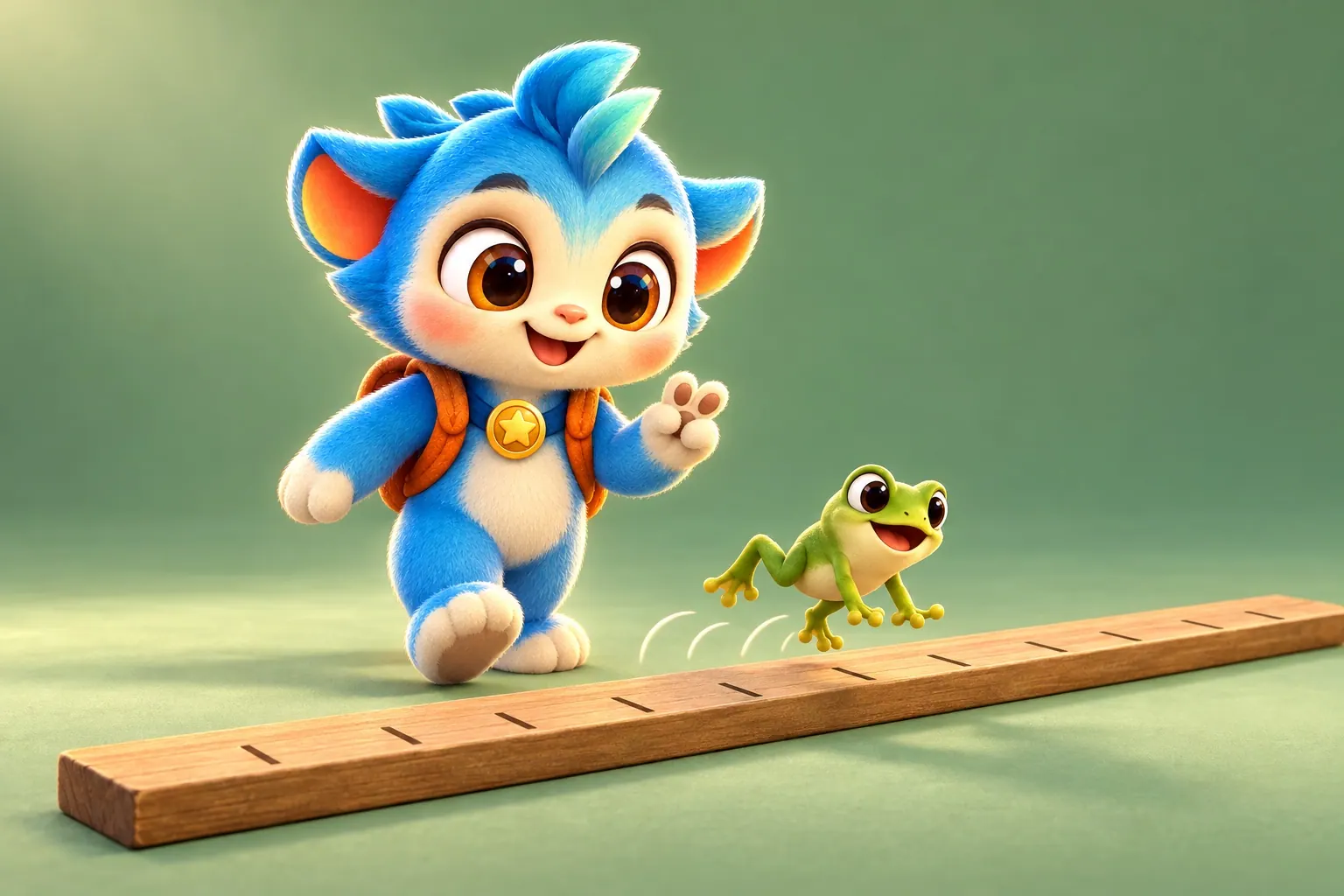
Hop Back
Hop back along the number line to find the answer.
- Ages 5–8
- Subtraction within 10 and 20
- Counting back on a number line

Fraction Kitchen
Cut pizzas and pies into equal parts and serve the right fraction.
- Ages 6–8
- Halves, thirds and quarters
- Equal parts

Shut the Box
Roll the dice, then close tiles that add up to the roll. Can you close them all?
- Ages 5–8
- Addition within 12
- Number bonds
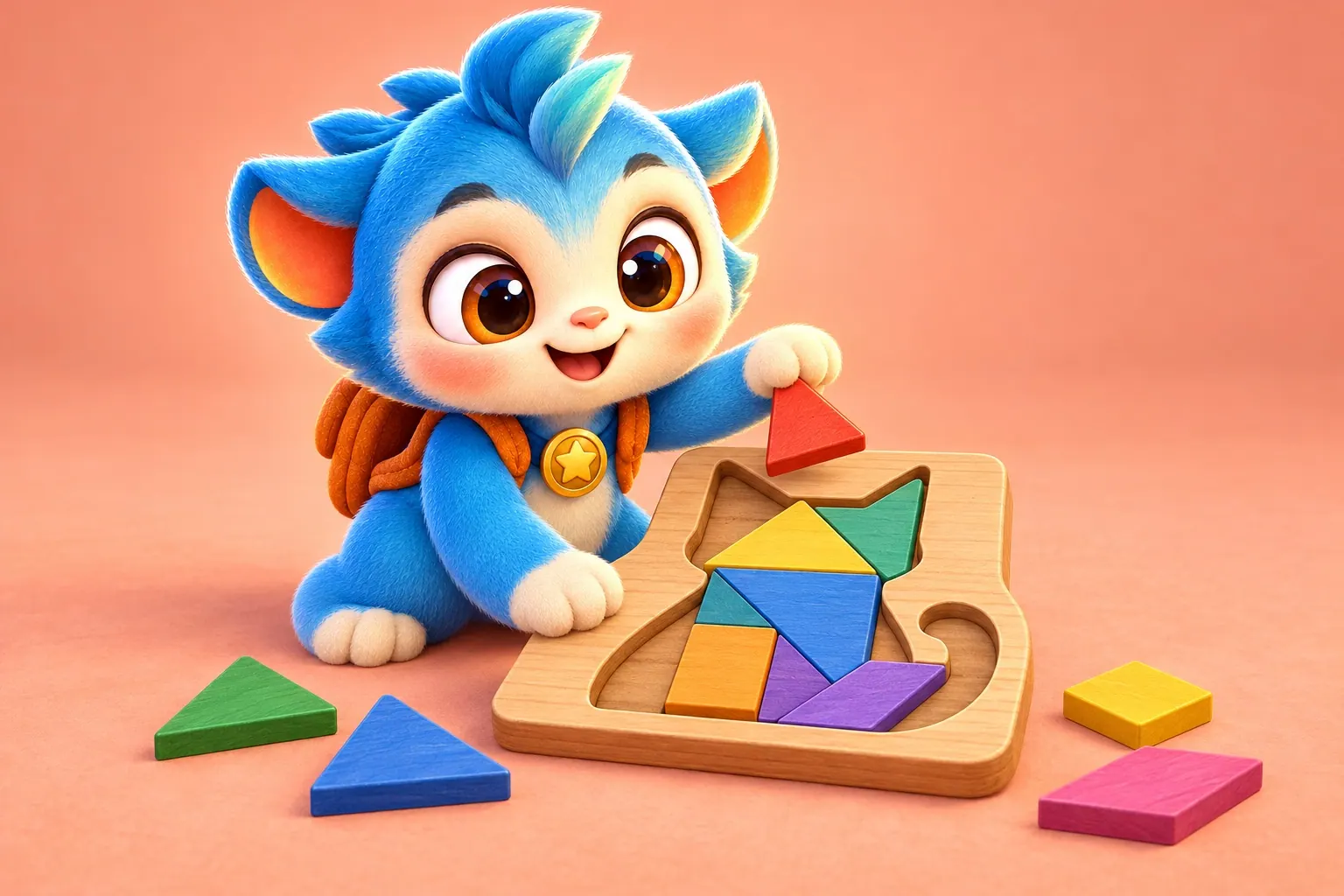
Tangram Workshop
Fill each picture with shapes: turn them, flip them, make them fit.
- Ages 4–8
- Composing shapes
- Turning and flipping
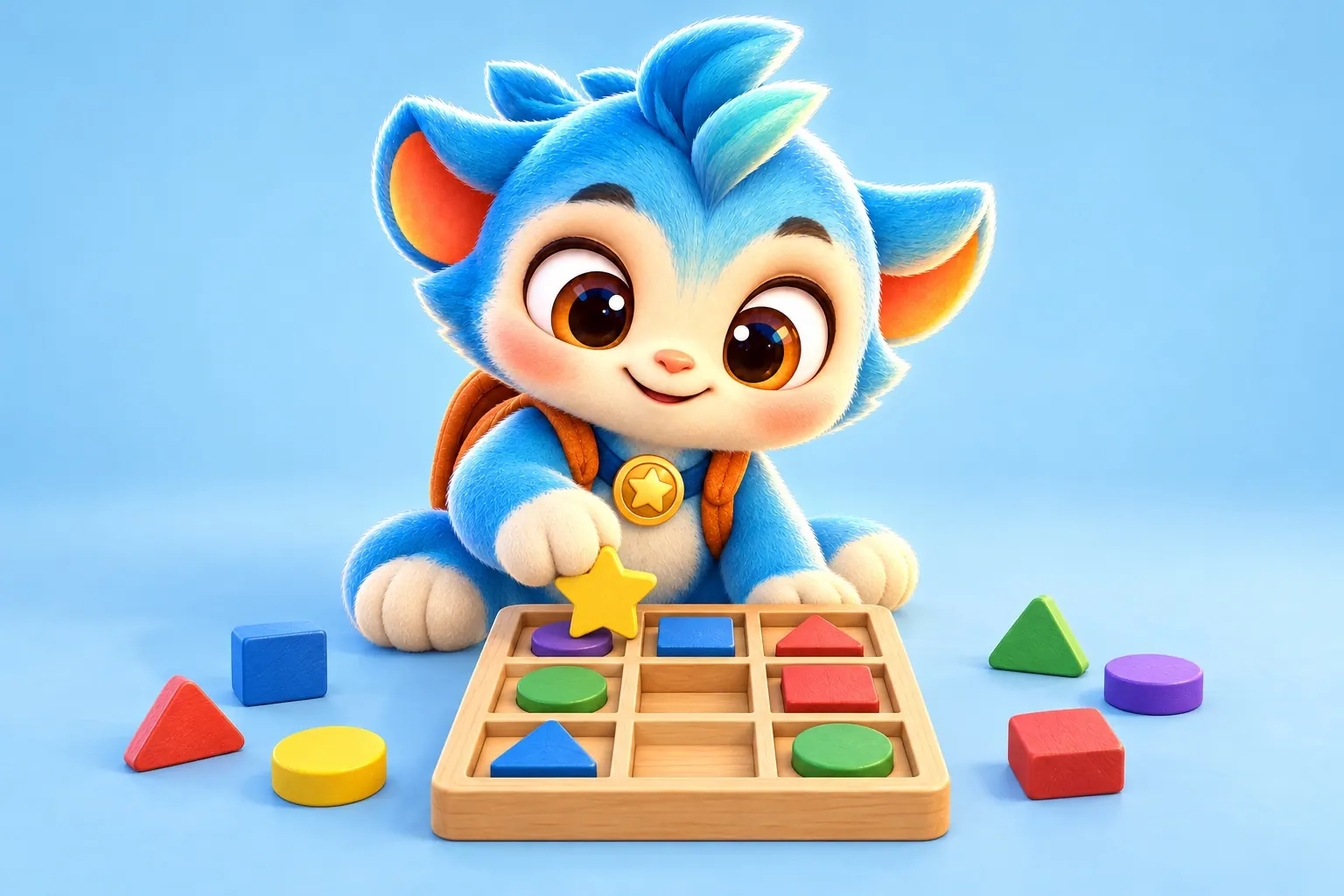
Sudoku for Kids
Shape and number puzzles with one answer each.
- Ages 4–8
- Logical thinking
- Shapes and numbers 1 to 6
Guides for parents
Practical help for teaching kindergarten math at home.

Greater than less than: how to teach the symbols to kids
Greater than, less than and equal to start with comparing objects. Steps for teaching the > and < symbols, and what the alligator trick can and can't do.

How to teach addition: from counting all to making ten
How to teach addition to kids in order: counting all, counting on, doubles, making ten, then fluency through play instead of timed drills.

How to teach subtraction so it makes sense to your child
Teach subtraction in a sensible order: taking away, counting back on a number line, finding the difference and thinking addition. With common mix-ups.
Questions parents ask
What math does a kindergartener learn?
In the US, kindergarten math (Common Core) covers counting to 100 by ones and tens, writing numbers to 20, comparing numbers, adding and subtracting within 10, understanding 11 to 19 as ten and some ones, and naming and building shapes.
How can I help my 5-year-old with addition?
Start with real objects: put 3 blocks and 2 blocks together and count them all, then count on from 3. Ten frames help children see 7 as 5 and 2, or as 3 less than 10. Written sums come after the idea makes sense with objects.
What are the Common Core math standards for kindergarten?
Each Common Core kindergarten standard has a code. K.CC.A.1 asks children to count to 100 by ones and by tens. K.OA.A.2 asks them to solve addition and subtraction word problems within 10, and K.OA.A.5 to add and subtract fluently within 5. K.NBT.A.1 covers composing and decomposing the numbers 11 to 19 into ten ones and some further ones. Mathumo is built on US standards; no endorsement by Common Core is implied.