
Second grade math for ages 7 to 8
Ages 7–8 · US Grade 2 · England Year 3
At ages 7 to 8, children work with hundreds, tens and ones up to 1,000, add and subtract with regrouping, solve two-step word problems, skip-count, use arrays as a first step to multiplication and work with money, time and measures.
What children learn, unit by unit
Numbers to 1,000
- Hundreds, tens and ones
- Counting within 1,000
- Counting in 100s and 50s
- Standard, word and expanded form
- Comparing numbers
Adding and subtracting big numbers
- Two-step problems
- Adding four two-digit numbers
- Regrouping within 1,000
- Explaining a strategy
3s, 4s and 8s
- Times and division facts
- Two-digit times one-digit
- Multiplication problems
Fractions as numbers
- Fractions of a set
- Fractions on a number line
- Equivalent fractions
- Comparing fractions
Measures
- Measuring with different units
- Adding measures
- Perimeter
Clocks and calendars
- Time to the minute
- 12- and 24-hour time
- Elapsed time
Money and graphs
- Money in two units
- Line plots
- Scaled graphs
Shapes, arrays and shares
- Rows and columns
- Equal shares of different shapes
- Right angles
Standards it covers
- 2.OA.B.2 Fluently add and subtract within 20 using mental strategies.
- 2.NBT.A.1 Understand that the three digits of a three-digit number represent hundreds, tens and ones.
- 2.NBT.B.7 Add and subtract within 1000, using models, strategies and place value.
- 2.OA.C.4 Use addition to find the total number of objects in rectangular arrays.
Mathumo is built on US standards: Common Core (K–2) and Head Start (Preschool). No endorsement by those bodies is implied.
How Mathumo teaches it
Hands-on boards instead of multiple choice:
- Base-ten blocks to 1,000
- Arrays
- A money shop
- Clocks
- Number lines
Free games for this age


River Race
Paddle against Mathumo: each right answer moves your boat forward.
- Ages 6–8
- Two-digit addition
- Two-digit subtraction

Coin Shop
Run the shop: pay with coins and give the right change.
- Ages 6–8
- Counting coins
- Paying an exact amount


Fraction Kitchen
Cut pizzas and pies into equal parts and serve the right fraction.
- Ages 6–8
- Halves, thirds and quarters
- Equal parts
Guides for parents
Practical help for teaching second grade math at home.
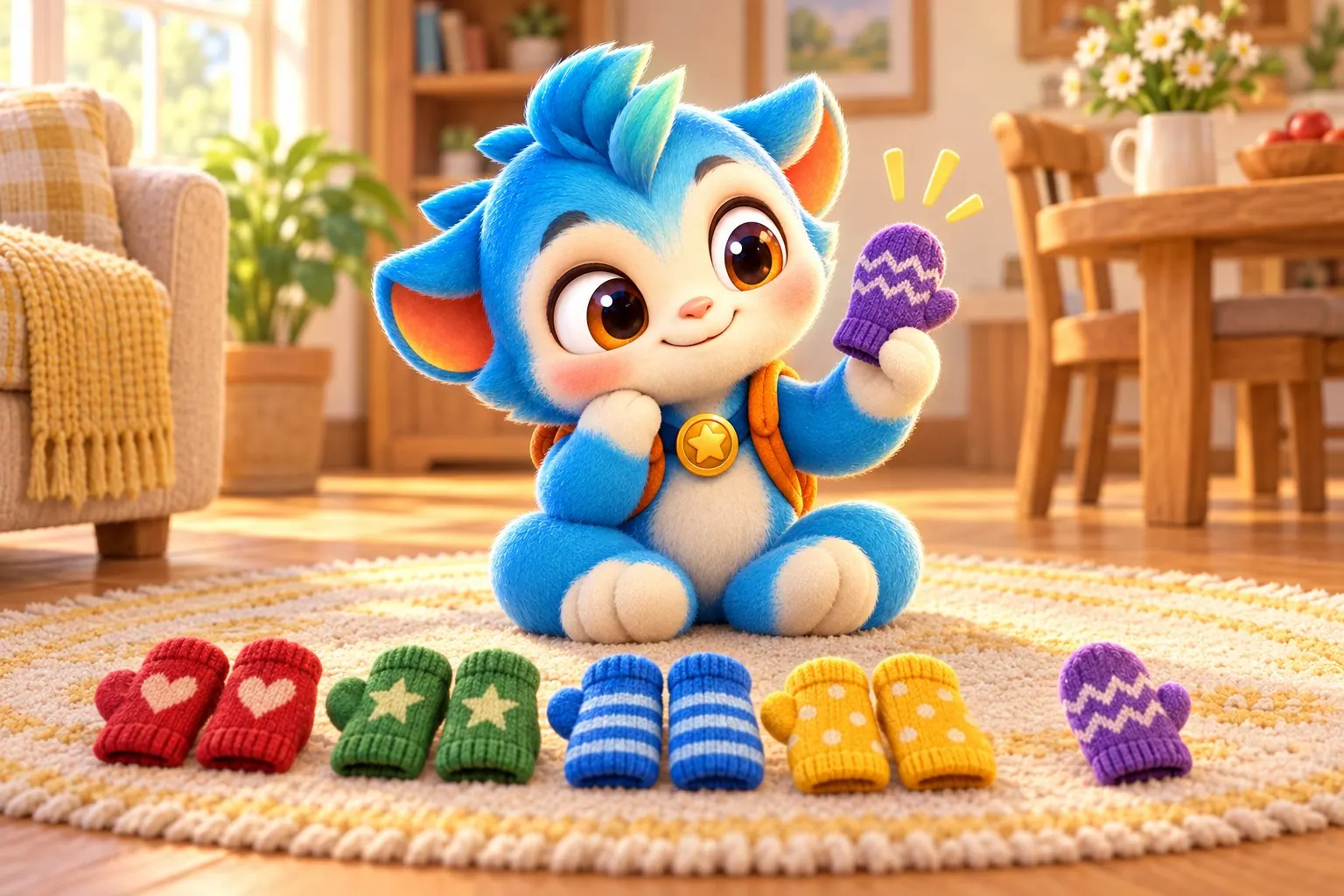
Even and odd numbers: the pairing trick for kids
A number is even if objects split into pairs with none left over. Teach even and odd numbers with pairs first, then skip counting and the last-digit rule.

Counting coins: how to teach kids to count money
Counting coins starts with the value of each US coin, then biggest first and counting on. See the steps, a worked example and making change by counting up.
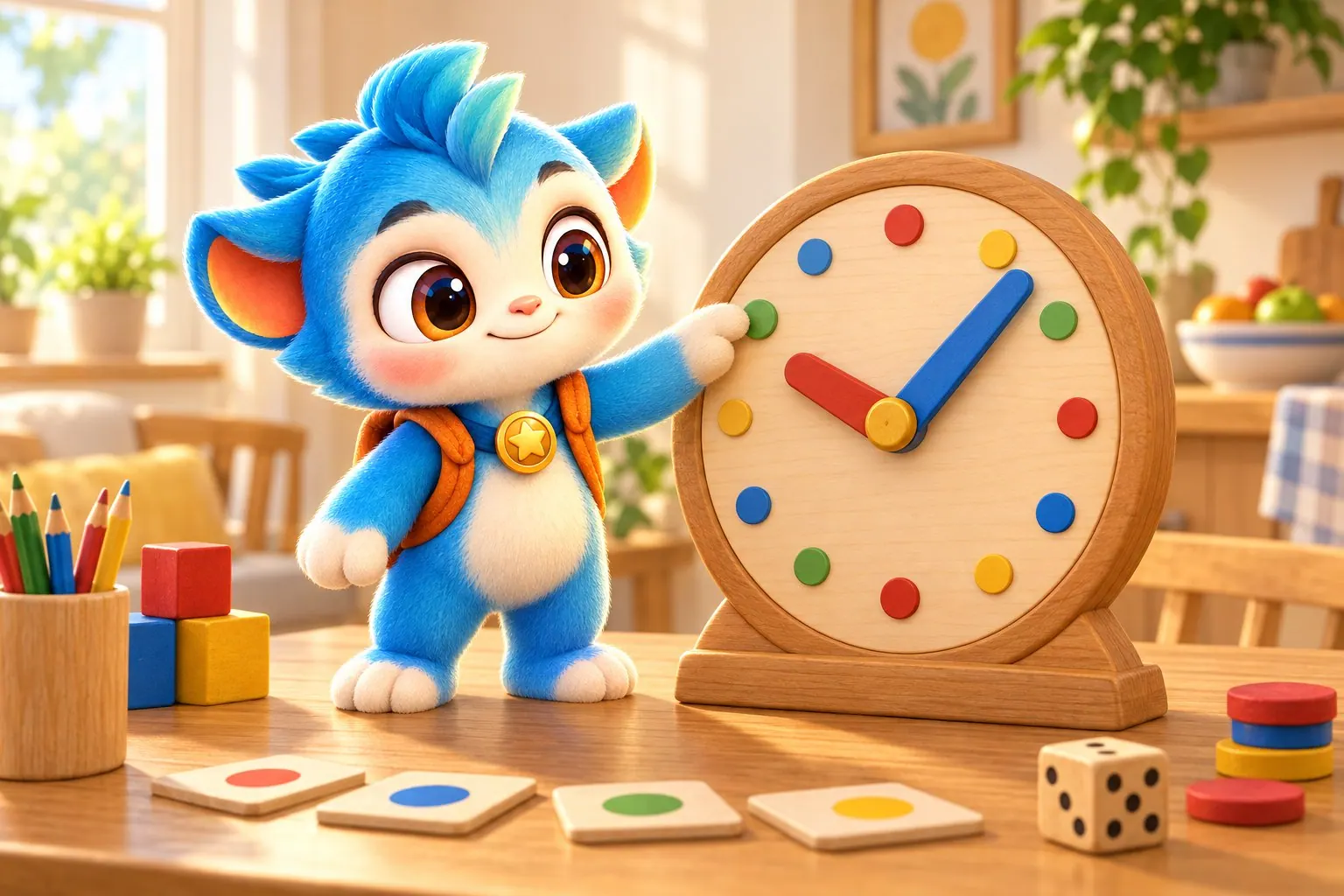
How to read a clock: teaching a child to tell time step by step
How to read a clock and teach it to a child: hour hand first, then half past, quarter past and quarter to, five-minute steps, and analog versus digital.
Questions parents ask
What math should a second grader know?
By the end of US second grade (Common Core), children know all sums of two one-digit numbers from memory, add and subtract fluently within 100 and with models within 1,000, understand hundreds, tens and ones, count by 5s, 10s and 100s, and solve money and time problems.
Does Mathumo teach multiplication?
Mathumo introduces multiplication at ages 6 to 8 with equal groups and arrays, then facts for 2, 5 and 10, and 3, 4 and 8, always starting from a picture of the groups.
What are the Common Core math standards for second grade?
Each Common Core second grade standard has a code. 2.OA.B.2 asks children to add and subtract within 20 fluently using mental strategies. 2.NBT.A.1 is about hundreds, tens and ones in a three-digit number, and 2.NBT.B.7 about adding and subtracting within 1000 with models, strategies and place value. 2.OA.C.4 uses addition to find the total in a rectangular array. Mathumo is built on US standards; no endorsement by Common Core is implied.